SLV-Rust
null
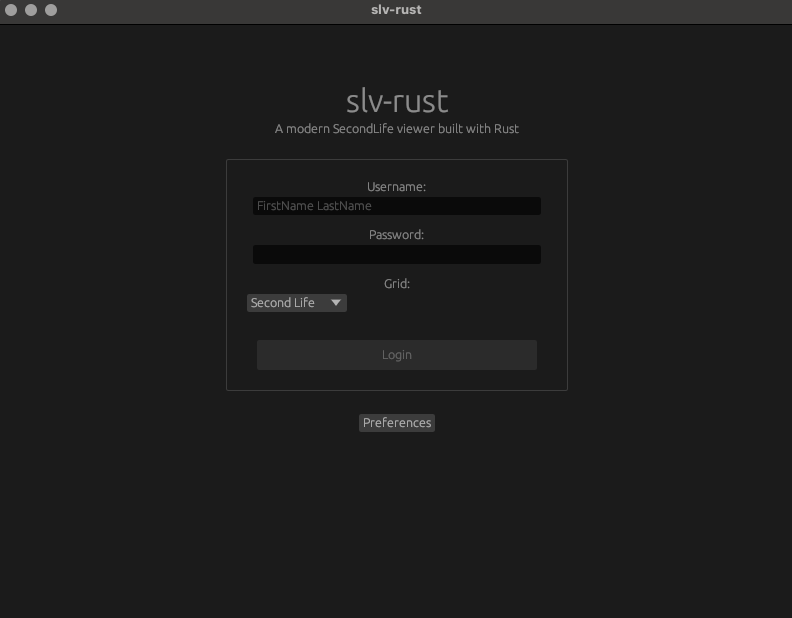
Project Overview
SLV-Rust is an experimental project exploring high-performance networking paradigms using the Rust programming language. The primary goal was to build a robust and efficient server-client communication system capable of handling concurrent connections and data transfer with minimal overhead.
The project specifically delves into asynchronous programming with Rust, leveraging its ownership model and concurrency features to ensure thread safety and optimal resource utilization. This was a deep dive into the intricacies of low-level network programming.
Technical Implementation
Asynchronous Architecture
The core of SLV-Rust is built around an asynchronous architecture, primarily utilizing the `tokio` runtime. This allowed for non-blocking I/O operations, enabling the server to handle multiple client connections concurrently without creating a new thread for each, thus significantly improving scalability.
Protocol Design
A custom binary protocol was designed for efficient data exchange between the server and clients. This involved careful consideration of message framing, serialization, and deserialization to minimize overhead and ensure reliable communication.
Error Handling and Resilience
Rust's robust type system and emphasis on explicit error handling were instrumental in building a resilient networking application. The project incorporates comprehensive error management strategies to gracefully handle network failures, malformed data, and other unexpected events.
Challenges and Learnings
One of the main challenges was mastering Rust's asynchronous ecosystem, particularly understanding the nuances of `async/await` and the `tokio` framework. Debugging concurrent network applications also presented a unique set of difficulties, requiring careful use of logging and tracing.
This project provided invaluable experience in designing and implementing low-level networking components, understanding the trade-offs between different architectural choices, and leveraging Rust's performance characteristics for demanding applications.